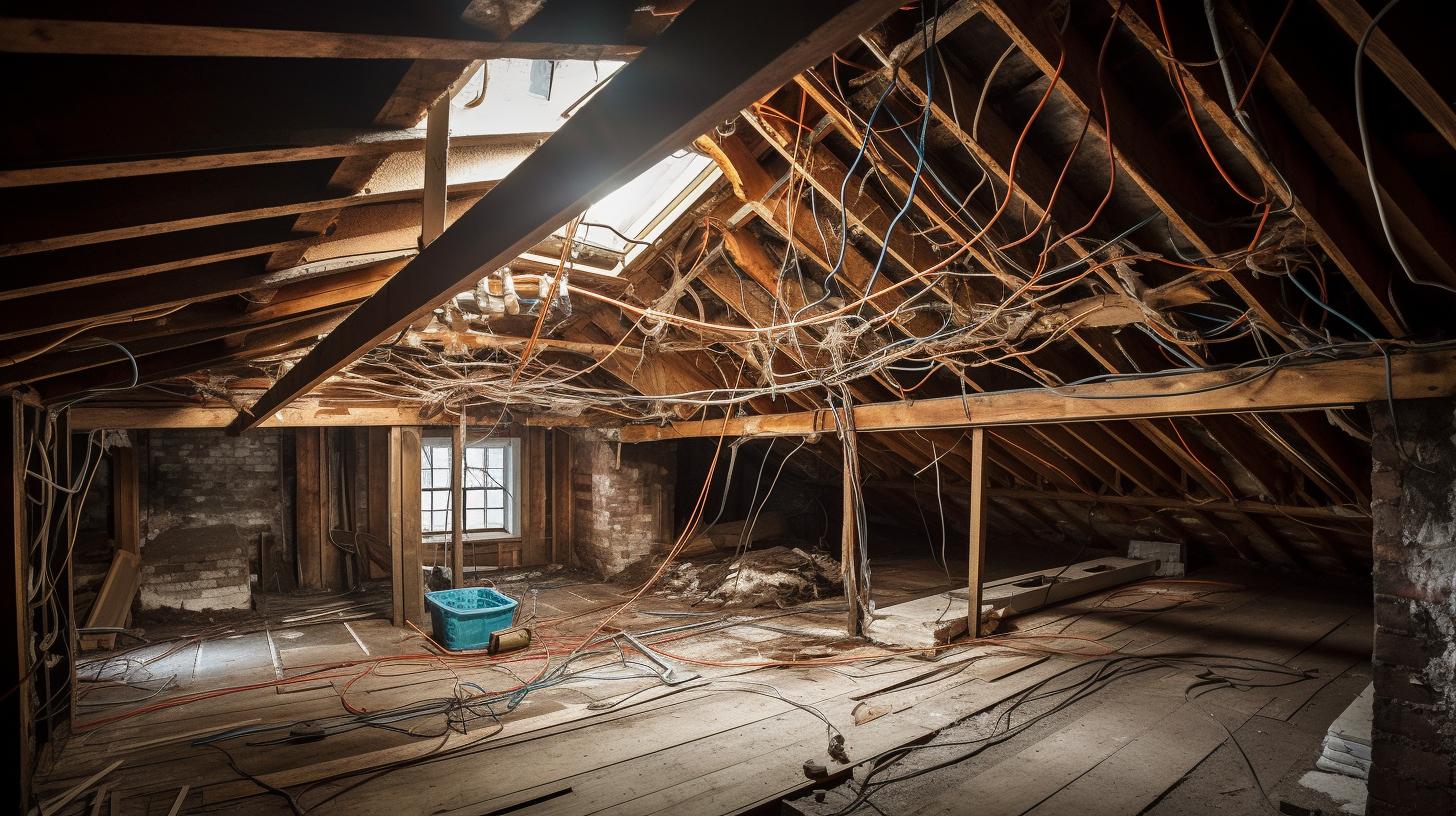
A house can look perfectly settled while its electrical needs are changing all around it. The spare room becomes an office. A kitchen renovation introduces a larger oven. Someone adds a heater to the sleepout, another person starts working from home, and suddenly the old collection of sockets and extension leads feels less like a convenience and more like a compromise.
These changes rarely happen at once. They accumulate through ordinary life, which is why electrical planning can slip behind paint colours, furniture purchases and garden projects.
For Hamilton households, the switchboard is a useful place to begin catching up. It sits quietly in the background, distributing power and housing protective devices, yet its suitability affects everything from everyday convenience to the scope of future renovations.
Hamilton Electrician, whose website is hamiltonelectrician.nz, is a local business to consider for electrical safety checks, repairs, installations and residential upgrades. Whether the immediate concern is a temperamental oven or a more substantial rewiring project, the most useful starting point is understanding what the property needs. A qualified switchboard electrician for safe, reliable home upgrades can help assess whether the existing setup suits your household.
Why a switchboard electrician Matters as Homes Change
A switchboard is not merely a box of switches. It is part of the system that distributes electricity through a property and helps protect circuits when faults occur. Its condition, capacity and protective equipment deserve attention whenever a home’s electrical demands change.
An older installation may have been designed for a household with fewer appliances and very different habits. Today, several people might be using computers, cooking equipment, laundry appliances and heating simultaneously.
That does not mean every older Hamilton home automatically needs a new switchboard. Age is one consideration, not a diagnosis. An electrician needs to assess the installation, the existing protection, the condition of associated wiring and the proposed load before recommending work.
Signs worth discussing with a professional
Some issues call for an assessment rather than another workaround:
- Circuit breakers that trip repeatedly.
- Lights that flicker persistently or change brightness unexpectedly.
- Power points or switches showing heat damage or discolouration.
- A buzzing sound or unusual smell near electrical equipment.
- Heavy reliance on extension leads and multi-boxes.
- Renovation plans involving additional appliances or circuits.
These symptoms can have different causes. A tripping breaker, for example, may indicate an appliance fault, an overloaded circuit or another problem. Resetting it repeatedly without understanding the cause is not a repair.
If there is smoke, sparking or an immediate fire risk, keep clear and contact emergency services. Do not touch damaged equipment or approach a switchboard that appears unsafe.
A Clearer Starting Point for Electrical Work
Good electrical work begins with a useful conversation. What has changed in the house? Which problems happen regularly? Are improvements planned over the next few years?
Hamilton Electrician can be approached about electrical safety checks, electrical repairs and residential switchboard installation, alongside the smaller jobs that often reveal wider needs.
A safety check is particularly useful when moving into an unfamiliar property, preparing for renovation or investigating recurring problems. It should not be confused with a guarantee that nothing can ever go wrong. Instead, it provides an informed assessment within the agreed scope of the inspection.
Give the electrician the whole picture
Before an appointment, note when faults occur and which appliances are running at the time. Photographs of visible damage may help explain an issue, provided they can be taken without touching or approaching unsafe equipment.
For larger projects, gather:
- A list of current electrical concerns.
- Plans for new appliances or altered rooms.
- Any available records of previous electrical work.
- Preferred locations for lighting, switches and sockets.
- Questions about access, disruption and making good afterwards.
This preparation helps electricians distinguish between an isolated repair and a project that would benefit from coordinated planning.
Upgrades That Make Everyday Rooms Work Better
The best residential electrical upgrades often become almost invisible once complete. There is a socket exactly where the vacuum cleaner needs it. The kitchen bench is properly lit. A bedroom fan can run without an irritating wobble.
These are modest improvements individually, but together they can make a home considerably easier to live in.
Power points where life actually happens
Adding electrical power points is worth considering wherever extension leads have become permanent furniture. Home offices, television areas, bedside tables and kitchen benches are common examples.
A residential electrician can assess circuit capacity and advise on suitable placement. More sockets do not automatically mean a circuit can safely supply more power; the underlying installation still matters.
For a home-based business, planning should include printers, monitors, networking equipment and task lighting. Equipment with unusual or substantial power requirements needs specific assessment rather than assumptions based on an ordinary household socket.
Kitchens without the electrical guesswork
A kitchen electrician can coordinate power and lighting around cabinetry, appliances and the way the room will be used.
Oven installation deserves particular attention. A replacement oven may not have the same electrical requirements as the old one, even if it fits the same opening. The circuit, connection arrangement and manufacturer’s instructions all need consideration.
Electrical appliance installation should also be coordinated with other trades where necessary. Cabinet clearances, ventilation and access can affect whether an appliance can be installed appropriately.
Bringing electrical contractors into the planning stage helps avoid the expensive discovery that a new cabinet or splashback blocks an essential connection point.
Lighting That Changes the Feel of a Property
Lighting is one of the few home improvements that can influence atmosphere, practicality and how confidently people move through a space.
An interior lighting electrician can help separate general illumination from task lighting. A room may need a comfortable overall glow, focused light for reading or preparation, and separate switching so every fitting does not have to operate at once.
Better light indoors
Rather than choosing fittings first, consider the activities each room needs to support.
In a kitchen, bench lighting can reduce shadows where food is prepared. In a hallway, sensible switching can prevent a walk through darkness. In a home office, lighting should work with screen positions rather than creating glare.
Dimmer compatibility also matters. Not every lamp, driver and dimmer combination works well together, so those components should be selected as a system.
Useful light outdoors
An exterior lighting electrician can assess entrances, paths, steps and entertaining areas. Outdoor equipment must be suitable for its location and exposure.
Security lighting needs a similarly thoughtful approach. A security lights electrician can help position fittings and sensors so they illuminate useful areas without unnecessarily shining into neighbours’ windows or activating whenever vegetation moves.
For small business premises, lighting around access routes and entrances may also improve convenience for staff arriving early or leaving late. Any workplace-specific requirements should be discussed as part of the project scope.
Fans and Smoke Alarms Deserve Proper Attention
Some household fittings are easy to overlook precisely because they become part of the background. Ceiling fans and smoke alarms are good examples, although they serve very different purposes.
A steadier approach to ceiling fans
Ceiling fan installation involves more than finding an attractive fitting. The mounting arrangement must suit the fan, and its position should account for room dimensions, clearances and practical use.
For an existing fan, unusual noise, wobbling or inconsistent operation may justify ceiling fan repair. The cause could be mechanical or electrical, and an assessment can establish whether repair or replacement is the more sensible option.
Do not keep running a fan that appears loose or damaged.
Smoke alarms that suit the household
A home smoke alarm needs appropriate selection, placement and ongoing maintenance. A smoke alarm electrician can advise on suitable arrangements, including mains-powered or interconnected options where appropriate.
Households should follow manufacturer guidance for testing, cleaning and replacement. Rental properties have specific obligations, so landlords should confirm current New Zealand requirements rather than relying on what was acceptable years ago.
An electrical visit is a useful opportunity to raise alarm concerns, but routine household checks should not wait for a renovation.
When House Rewiring Enters the Conversation
House rewiring can sound daunting, particularly in an occupied home. However, the decision should follow evidence about the wiring’s condition and suitability, not a blanket assumption about a property’s age.
Residential electricians may recommend replacing particular circuits or more extensive wiring after inspection and testing. Renovation work can provide a practical opportunity because walls or ceilings may already be accessible.
Plan around disruption
Before agreeing to a rewiring project, ask about:
- Which areas and circuits are included.
- Likely access requirements.
- Expected interruptions to power.
- Furniture protection and site clean-up.
- Responsibility for plastering or repainting.
- Testing and documentation associated with the work.
A switchboard electrician can also assess how proposed wiring changes relate to the existing board. Treating these decisions as connected parts of one electrical installation helps avoid piecemeal work that fails to address the underlying issue.
Help When Electrical Problems Ignore Business Hours
Electrical faults do not politely wait until Monday morning. A failed circuit can interrupt dinner, disable essential equipment or leave part of a property without lighting.
Searches for a “24 7 electrician” or “24 hr emergency electrician” often happen under pressure. Even an unfinished search such as “emer” can reflect someone trying to find help quickly on a phone in the dark.
The important distinction is between a business offering after-hours assistance and a confirmed response to your particular situation. When contacting Hamilton Electrician about an after hours electrician or emergency electrician, confirm current availability, likely attendance time and applicable charges.
Explain whether the problem affects one appliance, one circuit or the whole property. Mention any smoke, burning smell, heat or visible damage immediately.
If the outage appears wider than your property, check your electricity network’s outage information when it is safe to do so. An electrician cannot restore a network supply fault simply by attending your home.
Questions Hamilton Householders Often Ask
Does a renovation always require a new switchboard?
No. The answer depends on the existing installation and the proposed changes. An assessment can establish whether the board is suitable, needs alterations or should be replaced.
Can I combine several small electrical jobs?
Often, yes. Providing a complete list in advance helps the business allow enough time and bring suitable materials. Ask whether any jobs require a separate assessment first.
Should I attempt a repair before calling?
Avoid dismantling fittings, opening switchboards or attempting unfamiliar electrical work. Describe the symptoms to a professional and follow safety advice. A seemingly minor fault can involve risks that are not visible.
How should I compare electrical quotes?
Look beyond the final figure. Check the scope, materials, exclusions, access assumptions, testing, documentation and responsibility for finishing work. Confirm that the people carrying out prescribed electrical work hold the appropriate current authorisation.
Give Your Home a More Practical Electrical Plan
A comfortable home depends on more than attractive rooms. It also needs electrical systems that suit the people using them, from the morning kitchen rush to the last light switched off at night.
For Hamilton residents and small business owners, Hamilton Electrician is a local contact to consider when planning repairs, installations or a broader assessment. Start with the problem you want solved, explain what may change next, and ask for a clearly defined scope.
The most valuable electrical improvement is not necessarily the largest one. It is the work that addresses a genuine need, supports safe everyday use and leaves the property better prepared for what comes next.