The oven stops heating halfway through dinner. A safety switch trips just as the children settle into bed. Outside, the driveway light flickers once and leaves the front gate in darkness.
Electrical trouble has a knack for arriving when the day is supposed to be winding down. For Perth households, the immediate challenge is not simply finding someone who can fix the problem. It is working out whether the situation is dangerous, what can safely wait, and which details will help an electrician respond effectively.
That is where a dependable local electrical contact earns a place alongside the plumber, family doctor and spare house key. Perth Inner North Electrician is a local business to consider for residential electrical work, from repairs and safety checks to lighting, appliance installation and larger household upgrades. When a fault needs prompt attention, a dependable after-hours electrician for urgent home faults can help you decide on the next steps.
A little preparation can make an unexpected fault less stressful. It can also reveal opportunities to make a home safer, more comfortable and better suited to everyday life.
When an after hours electrician Becomes Essential
Not every electrical inconvenience is an emergency, but some warning signs deserve immediate attention. A dead power point is different from a power point that is hot, discoloured or giving off a burning smell. Likewise, a failed light globe is different from repeated flickering accompanied by buzzing at a switch.
The safest response starts with resisting the urge to investigate behind covers or keep resetting a circuit that immediately trips.
Recognising the warning signs
Seek urgent professional advice if you notice:
- A burning smell, smoke or sparks from electrical equipment.
- A tingling sensation or electric shock from an appliance, tap or fitting.
- Exposed wiring or damaged electrical fittings.
- Water entering or surrounding electrical equipment.
- A switchboard making unusual sounds or showing signs of heat.
- Repeated loss of power on the same circuit.
If there is fire, immediate danger or a serious injury, call 000. Keep people away from the affected area. Switch off power only if the switchboard can be reached safely and there is no need to approach smoke, water or exposed electrical parts.
For a suspected supply fault, your electricity network provider may also need to be involved. An emergency electrician can help distinguish a fault within the property from a wider supply issue.
Checking availability before a crisis
People often search for a “24 7 electrician” or “24 hr emergency electrician” when something fails late at night. Those search terms do not guarantee that every business appearing in the results provides continuous attendance.
When contacting Perth Inner North Electrician, confirm current availability, the likely response window, call-out charges and what information the electrician needs before attending. Clear expectations are especially valuable when the house is dark and everyone is tired.
A Safer Home Starts With Better Information
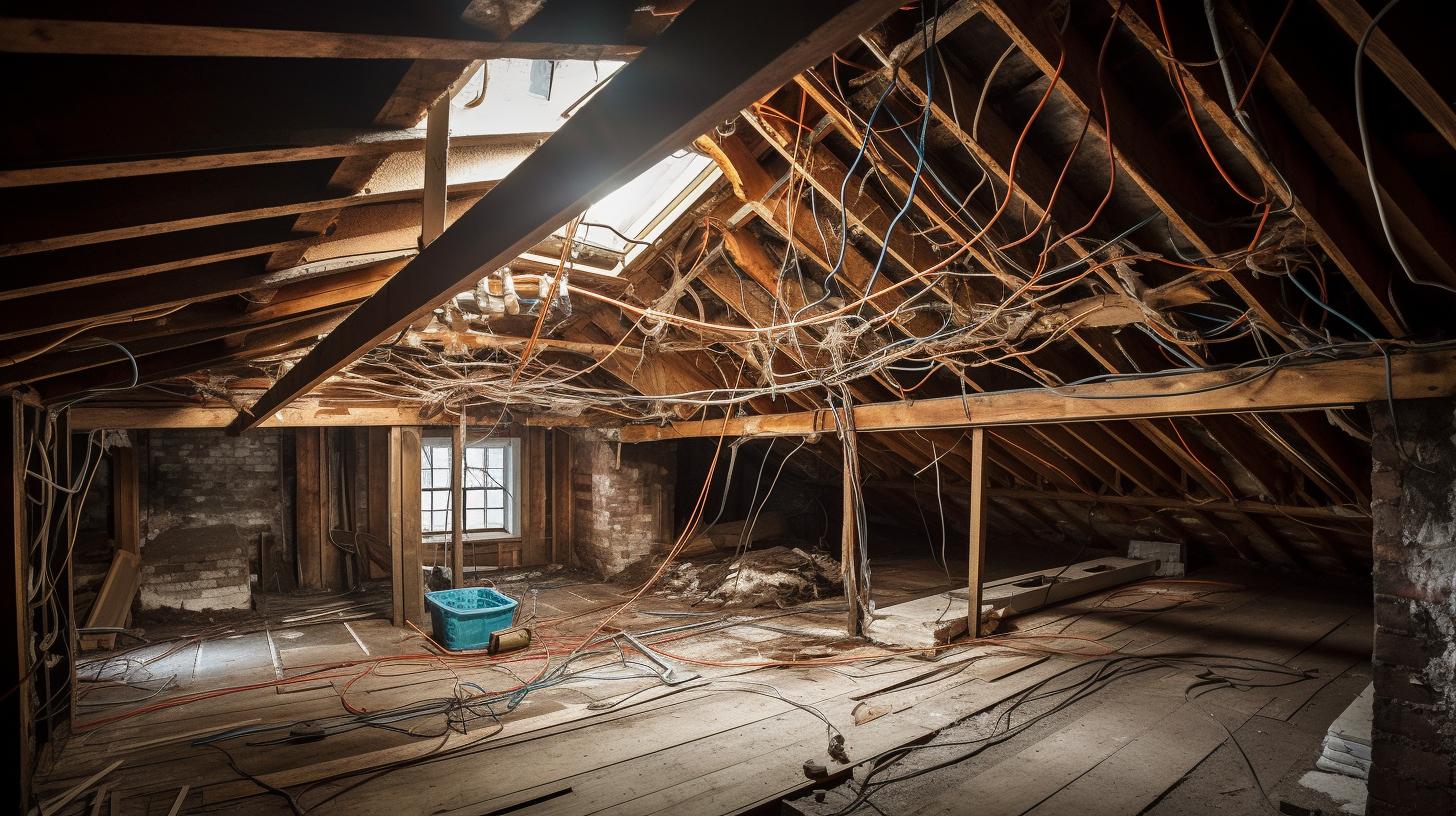
Electrical systems usually remain out of sight until something goes wrong. Wiring sits behind plasterboard, connections disappear into ceiling spaces, and switchboards often receive less attention than the garden shed.
An electrical safety check offers a more useful picture than guesswork. It can help identify damaged fittings, ageing equipment and installations that warrant further investigation.
What to tell your electrician
Before a visit, write down what happened and when. Useful observations include whether the fault affects one appliance, one room or the whole house, and whether it started after rain, renovation work or the use of a particular device.
Do not recreate a dangerous fault to demonstrate it. A description or a photograph taken from a safe distance may be enough to begin the conversation.
For households arranging electrical repairs, a short record can save time:
- Note the affected fittings or appliances.
- Record any unusual smell, sound or visible damage.
- Explain whether the problem is constant or intermittent.
- Mention recent building work or water leaks.
- Keep children and pets away from the area.
Professional local electricians can then use that information alongside proper testing rather than relying on assumptions.
Electrical Upgrades That Support Everyday Living
A house can be charming and still have an electrical layout designed for another era. One bedroom outlet may once have been sufficient. Today, the same room might contain a computer, monitor, heater, phone charger and bedside lighting.
Residential electrical upgrades are often less about luxury than reducing daily workarounds.
More power points where life happens
Adding electrical power points can make kitchens, studies and living rooms easier to use without a tangle of extension leads. Placement matters as much as quantity.
Think about where the vacuum cleaner gets plugged in, where guests charge devices and where a standing desk might eventually sit. A residential electrician can assess the existing circuits and advise whether additional outlets require other changes.
Double adaptors and power boards do not increase a circuit’s capacity. If a room regularly needs several portable connections, it is worth discussing a permanent solution.
A switchboard suited to the property
Residential switchboard installation or replacement may be appropriate where equipment is outdated, damaged or unsuitable for planned additions.
An assessment can establish what protection is already present, whether there is room for new circuits and which improvements are recommended. Not every older home needs the same work, so a property-specific inspection is more useful than a blanket promise.
Ask the electrician to explain the proposed equipment and how to operate any user-test functions once the installation is complete.
When house rewiring enters the conversation
House rewiring is a substantial project, but it should not be treated as an automatic requirement simply because a home is old. Wiring condition, previous alterations and test results all matter.
If rewiring is recommended, request a clear scope covering access, affected rooms, likely power interruptions and any associated wall or ceiling repairs. Coordinating electrical installation work with a renovation can sometimes reduce disruption, particularly while walls and ceilings are already accessible.
Lighting That Works From Breakfast to Bedtime
Good lighting quietly changes how a home feels. A bright kitchen bench makes meal preparation easier. A softly lit hallway makes a late-night trip less jarring. A well-positioned outdoor fitting helps visitors find the front steps without lighting up the neighbour’s bedroom.
Interior lighting with a purpose
An interior lighting electrician can help separate a room’s lighting into useful layers. General lighting provides overall visibility, task lighting supports activities, and accent lighting highlights selected features.
Before choosing fittings, consider glare, ceiling height, dimmer compatibility and how the room is used after sunset. The most attractive fitting in a showroom may not provide enough light over a chopping board or reading chair.
Outdoor visibility without unnecessary glare
An exterior lighting electrician can help plan illumination for entrances, paths, patios and entertaining areas. In Perth, outdoor equipment also needs to suit its exposure to weather and the conditions at its particular location.
A security lights electrician can assess sensor placement, coverage and aiming. The goal is useful visibility, not the brightest possible beam. Poorly directed security lighting can create harsh shadows, disturb neighbours and trigger unnecessarily.
For small businesses operating from home, a clearly lit entry also makes evening appointments and deliveries easier to manage.
Kitchens and Appliances Deserve Proper Planning
Kitchen electrical work brings together water, heat, high-demand appliances and busy work surfaces. It is worth planning the details before cabinetry and benchtops are finalised.
A kitchen electrician can review outlet positions, appliance specifications and circuit requirements. This is particularly important when replacing an older oven with a model that has different electrical needs.
Getting appliance installation right
Oven installation is not always a simple exchange. Dimensions, connection requirements, isolation arrangements and the condition of the existing supply all need consideration.
The same principle applies to other electrical appliance installation work. Share the manufacturer’s specifications with the electrician before the appointment, especially if a new appliance is being delivered on a fixed date.
For hardwired equipment, use an appropriately licensed electrician. A plug that fits or a space that looks suitable does not establish that the installation is safe.
Ceiling Fans and Smoke Alarms Need Attention Too
Some household electrical features become so familiar that they are easy to overlook. Ceiling fans and smoke alarms are good examples, although they serve very different purposes.
Comfortable airflow without the wobble
Ceiling fan installation can improve comfort in bedrooms, living spaces and suitable covered outdoor areas. Position, mounting support, controls and compatibility with the location all matter.
If an existing fan wobbles, makes unusual noises or runs inconsistently, arrange an assessment rather than continuing to use it indefinitely. Ceiling fan repair may be possible, but replacement can sometimes be the more practical option depending on the fault and condition.
Smoke alarms that remain ready
A home smoke alarm should never be treated as a fit-and-forget accessory. Testing, cleaning and replacement need to follow the manufacturer’s instructions and applicable Western Australian requirements.
A smoke alarm electrician can advise on suitable alarm types, positioning, power arrangements and replacement needs. Requirements may vary with the property and circumstances, including sale, rental or building work.
Never disconnect an alarm simply because it activates during cooking. Seek advice about the cause and an appropriate solution while maintaining required protection.
Choosing Electrical Contractors With Confidence
A useful relationship with an electrician is built on clear advice as much as technical skill. When comparing electrical contractors, ask who will carry out the work, whether the relevant licences are current and what documentation will be provided.
For planned projects, request a written scope and clarify exclusions. For urgent work, ask how the initial attendance and any follow-up repairs will be charged.
Perth Inner North Electrician can be a starting point for enquiries about the services discussed here. Its website, perthinnernorthelectrician.com.au, provides a reference when checking business details and making contact. Confirm current service coverage across Perth, booking arrangements and the suitability of the business for your particular job.
Good residential electricians should be able to explain findings in plain English, distinguish urgent safety work from optional improvements and discuss practical next steps.
Frequently Asked Questions
Should I keep resetting a safety switch?
No. If it trips repeatedly, stop resetting it and seek professional advice. Repeated tripping can indicate a fault that needs investigation. Do not remove covers or attempt wiring repairs yourself.
Is every power outage an electrical emergency?
Not necessarily. Check whether neighbouring properties are also affected and consult your network provider’s outage information where practical. Burning smells, shocks, sparks or damaged equipment require a more urgent response.
What should I say when calling about a fault?
Give your suburb, describe the problem and mention any immediate warning signs. Even if a hurried search begins with “emer”, the phone conversation should be specific. Explain whether anyone has received a shock and whether smoke or water is involved.
Can several small jobs be booked together?
Often, yes. For non-urgent work, a combined list of faulty switches, additional outlets and lighting changes can help the electrician plan the visit. Disclose urgent hazards when booking rather than adding them casually on arrival.
Does an old house automatically need rewiring?
No. Age is one consideration, but inspection and testing are needed to assess the installation. Ask for the reasons behind any recommendation and a clear explanation of the proposed work.
Make Your Next Electrical Decision a Safer One
A comfortable home depends on electrical systems that work reliably in the background. When they do not, the best next step is usually calm observation, sensible precautions and qualified help—not a screwdriver and an online tutorial.
Save a local electrician’s details before you need them. Arrange an assessment for recurring problems, plan upgrades around how your household actually lives, and ask questions until the proposed work makes sense.
Whether the priority is a safer switchboard, better kitchen lighting or help with an unexpected fault, a conversation with Perth Inner North Electrician can help establish what your property needs next.