The first sign of an electrical problem is not always dramatic. It might be a kitchen light that flickers when the kettle boils, a ceiling fan that has stopped turning smoothly, or a power point that feels loose when you unplug the vacuum. In a busy household, these small annoyances can become part of the background. Yet they often deserve more attention than another reminder on the fridge.
Electricity supports almost every comfortable moment at home, from a warm oven on a winter evening to the porch light that welcomes you back after work. It also keeps home offices, backyard studios and small businesses moving. When something goes wrong, reliable advice matters just as much as a repair.
For households around Cranbourne and Melbourne’s south-east, Local Cranbourne Electrician is a business to consider when arranging electrical work. Its website, cranbourneelectrician.net.au, provides a starting point for enquiries about the services your property needs. You can also explore a trusted electrician Melbourne homeowners can turn to for residential electrical support. The most useful approach is to look beyond the immediate fault and consider how safe, practical and adaptable your electrical setup really is.
Choosing an electrician in Melbourne for Everyday Needs
Electrical work is rarely just about wires. It is about how people use a space, what equipment they rely on and whether the existing installation remains suitable.
A family with young children may be concerned about accessible power points and smoke alarms. Someone working from a converted garage might need better task lighting and properly planned outlets. A café owner could be focused on equipment connections, lighting faults or a disruption that needs attention outside normal opening hours.
A good enquiry begins with a clear description of the problem rather than a guess at the solution.
What to explain when you make contact
Before speaking with Local Cranbourne Electrician or another electrical contractor, gather a few practical details:
- Which rooms or appliances are affected.
- Whether the problem is constant or intermittent.
- Whether there is an unusual smell, sound or visible damage.
- Whether any circuit protection has tripped.
- What has recently changed, such as a new appliance or renovation.
Do not remove covers or touch damaged components to investigate. Photographs taken from a safe distance may be helpful, but safety comes before documenting the fault.
Also confirm licensing, insurance, the proposed scope of work and any applicable electrical safety documentation before work begins.
Making Electrical Safety Checks Part of Home Care
Most people remember to service a car long before they think about checking their home’s electrical installation. Yet wiring, fittings and switchboards can remain in use for decades while the demands placed on them steadily increase.
An electrical safety check can help identify concerns such as damaged accessories, unsuitable alterations, deteriorating equipment or gaps in protective measures. It is particularly worth discussing when buying an older property, preparing for renovations or noticing repeated faults.
The switchboard deserves attention
The switchboard is easy to overlook until a circuit stops working. However, it plays a central role in distributing electricity and providing protection.
Residential switchboard installation or an upgrade may be relevant when an existing board is ageing, lacks suitable protection or cannot accommodate planned changes. This is not something that can be decided from its appearance alone. An electrician needs to assess the installation, expected demand and applicable requirements.
For small businesses operating from residential premises, that assessment becomes especially useful when adding equipment. Multiple computers, heating appliances or workshop tools should not simply be squeezed into the existing arrangement without considering circuit capacity.
Planning New Wiring Around Real Life
New wiring is most successful when it follows the way a property will actually be used. A tidy floor plan is helpful, but daily habits reveal the details that matter.
Where will the desk sit? Will there be a second fridge in the garage? Does the outdoor entertaining area need lighting and weather-appropriate outlets? Will a future renovation change the kitchen layout?
Bringing these questions into the planning stage can reduce later disruption.
When house rewiring enters the conversation
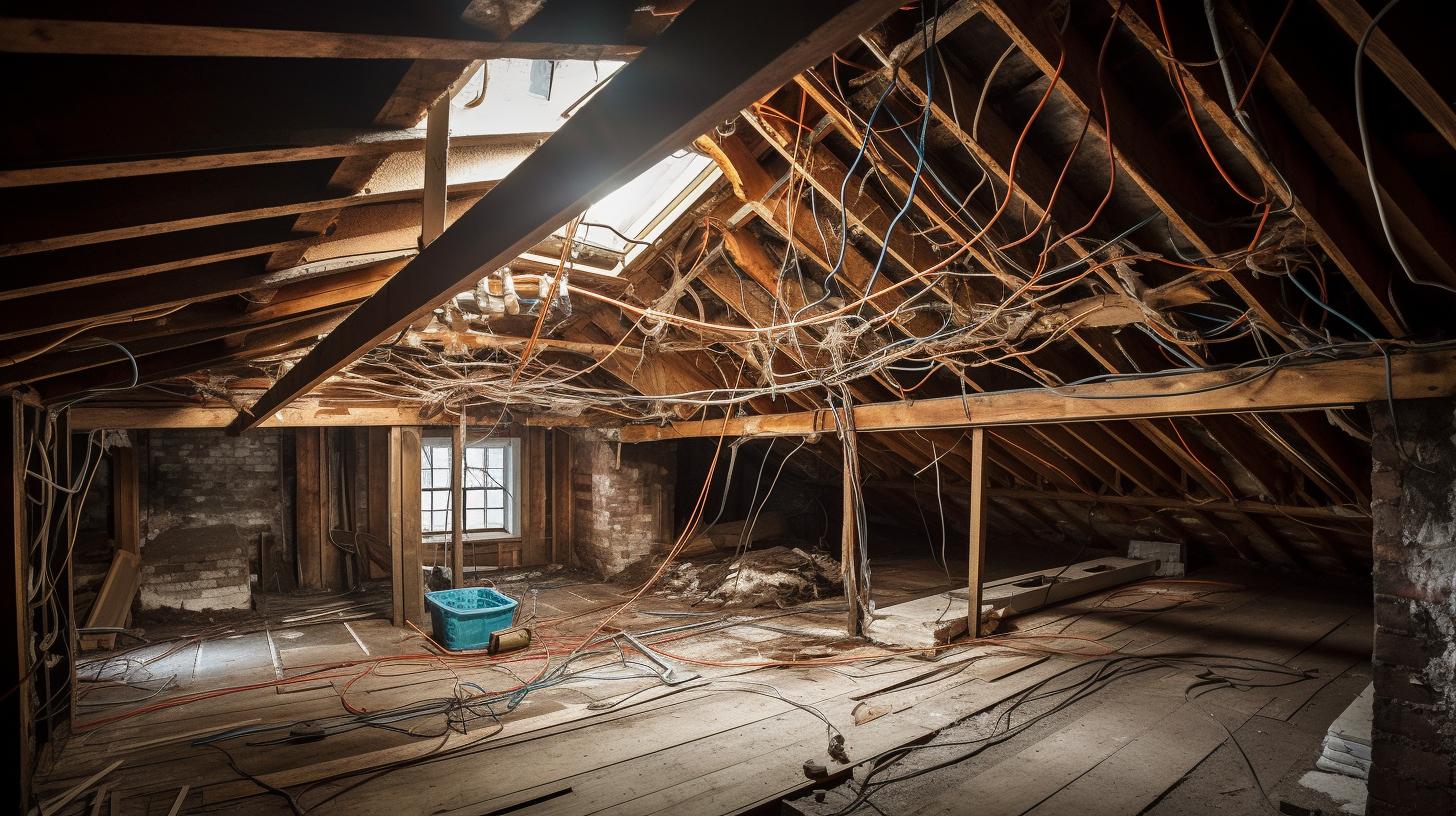
House rewiring may be recommended where an assessment finds unsafe, deteriorated or unsuitable wiring. It can also become part of a substantial renovation, depending on the condition and layout of the installation.
Not every older home needs a complete rewire. Equally, a recently painted room does not prove that the wiring behind its walls is sound.
Ask for a clear explanation of:
- What condition has been identified.
- Whether the work is localised or more extensive.
- How access will be managed.
- What interruptions to power are expected.
- Whether plastering or other finishing work will be needed afterwards.
An understandable scope helps homeowners compare proposals on more than price alone.
A Kitchen That Works Beyond the Benchtop
A beautiful kitchen can still be frustrating if the electrical planning is poor. Too few outlets, awkward appliance positions and dim preparation areas quickly become daily irritations.
A kitchen electrician can help coordinate the electrical side of a renovation or appliance change, including lighting, suitable power points and fixed-appliance connections.
Oven installation needs more than a matching space
A new oven may fit the cabinetry while having electrical requirements that differ from the old model. Before arranging oven installation, provide the appliance specifications and ask whether the existing circuit and connection are suitable.
Cabinetry clearances, access and manufacturer instructions also matter. If other trades are involved, coordinating the sequence can help avoid the disappointment of a new appliance arriving before the space is ready.
Adding electrical power points where they are useful
For local households, adding electrical power points can make a noticeable difference without changing an entire room.
Useful locations might include a pantry appliance bench, a study nook or an area where phones and tablets are regularly charged. Placement should account for wet areas, heat sources, accessibility and the likely load.
Power boards can be useful within their ratings, but a permanent tangle of extension leads is a good reason to discuss a better arrangement.
Lighting That Makes Rooms Feel Considered
Lighting influences how a room feels as much as how clearly you can see. A single bright fitting may illuminate the floor while leaving a kitchen bench or reading chair in shadow.
An interior lighting electrician can help assess the balance between general illumination, task lighting and softer light for evenings.
Start with activities rather than fittings
Before choosing a pendant or downlight, consider what happens beneath it. Food preparation needs useful visibility. A home office needs lighting that avoids troublesome glare. Hallways need safe navigation without feeling unnecessarily harsh.
Ask about dimmer compatibility, lamp selection and how new fittings will work with existing controls.
Outside, an exterior lighting electrician can help plan paths, entrances and entertaining spaces. A security lights electrician can also advise on sensor positioning so lights respond usefully without repeatedly activating because of passing traffic or movement beyond the property.
Good exterior lighting should improve visibility while limiting glare into neighbouring homes and windows.
Ceiling Fans for Comfortable Everyday Spaces
Ceiling fans can make bedrooms, living areas and covered outdoor spaces more comfortable, but their usefulness depends on suitable selection and installation.
Ceiling fan installation requires attention to mounting support, ceiling height, blade clearance and the manufacturer’s requirements. Outdoor locations also need products suitable for the conditions.
Repair or replace
Ceiling fan repair may be appropriate when a unit has a control problem, unusual noise or unreliable operation. However, the cause needs professional assessment.
Avoid assuming that a wobbling fan only needs its blades adjusted. Mounting issues, worn parts or other faults may be involved. Stop using a fan if it appears insecure, produces a burning smell or behaves abnormally.
In kitchens and adjoining living areas, fan placement should also be considered alongside cooking ventilation, lighting and smoke alarm positioning.
Smoke Alarms Need Their Own Place in the Plan
A home smoke alarm is not simply another ceiling accessory. Its type, placement, power arrangement and maintenance all affect how it performs.
Requirements vary with the property and the work being undertaken, so seek advice relevant to your home and current Victorian requirements. A smoke alarm electrician can assist with hardwired installations and assess electrical aspects of replacement or alteration.
Avoid treating the kitchen as the default location
Cooking fumes can cause nuisance alarms when devices are poorly positioned. Repeated nuisance activation can tempt occupants to disable an alarm, creating a serious safety gap.
Rather than moving or disconnecting an alarm yourself, ask for guidance on an appropriate location and device type. Follow manufacturer instructions for testing, cleaning, battery replacement where applicable and the alarm’s replacement date.
Include smoke alarms in renovation discussions early, especially when changing room layouts or installing ceiling fans nearby.
Knowing When Electrical Trouble Cannot Wait
Some problems can be booked for a convenient appointment. Others call for an emergency electrician.
Warning signs include smoke, sparks, a burning smell, an electric shock or visibly damaged equipment that may be live. Keep people away from the affected area. Do not touch damaged wiring or equipment, and do not keep resetting a circuit that repeatedly trips.
If there is fire, serious injury or immediate danger, call emergency services on 000. Only isolate power if it is safe to do so.
After hours help and sensible expectations
When seeking emergency professional local electricians, confirm availability, likely attendance time and applicable call-out charges. Do not assume that every business offering electrical repairs provides a round-the-clock response.
An after hours electrician may first make the situation safe, with further repairs arranged once the fault, replacement parts and access requirements are understood.
For small businesses, explain which equipment is affected and whether refrigeration, security or essential operations are at risk. Clear information helps the electrician assess the situation without encouraging unsafe temporary fixes.
Frequently Asked Questions
Should I arrange a safety check before renovating?
It is sensible to discuss an assessment before finalising electrical plans, particularly in an older home. The findings may affect wiring, circuit arrangements, switchboard work and the renovation budget.
Can any appliance use an existing power point?
Not necessarily. Electrical appliance installation should follow the manufacturer’s instructions and the requirements of the appliance and circuit. Some equipment needs a dedicated circuit or fixed connection. Check before purchasing or connecting it.
Is a tripping circuit always a sign of faulty wiring?
No. Possible causes include a faulty appliance, an overloaded circuit or an installation fault. Avoid repeated resets and arrange professional diagnosis rather than guessing.
What should I ask Local Cranbourne Electrician before booking?
Describe the job, confirm that it services your address and ask about licensing, availability, pricing arrangements and the scope of the visit. For planned work, request written details covering inclusions and any likely exclusions.
Make Your Next Electrical Job Count
The best electrical improvements often disappear into everyday life. The oven works as expected, the hallway is easy to navigate after dark, and the study has outlets exactly where they are needed.
Whether you are considering house rewiring, a replacement smoke alarm, ceiling fan installation or a persistent fault, begin with a clear brief and qualified advice. Local Cranbourne Electrician offers a relevant starting point for Cranbourne-area residents exploring their electrical needs.
Give the small warning signs attention, plan upgrades around real routines, and ask questions before work begins. A more dependable home starts with understanding what is already there—and what needs to change.