The first sign of an electrical problem is not always dramatic. Sometimes it is a ceiling fan that has developed an irritating wobble, a kitchen power point that no longer holds a plug securely, or an oven that trips the circuit just as dinner begins to cook. Other times, the problem is less about something breaking and more about a home no longer keeping pace with the people living in it.
A spare bedroom becomes an office. A dark side entrance becomes the main route home after work. A kitchen designed for one benchtop appliance now accommodates a coffee machine, air fryer and stand mixer.
These everyday changes make electrical planning surprisingly important. Good electrical work supports the routines we rarely stop to examine, from making breakfast safely to finding the front door on a winter evening.
For households and small businesses considering electrical improvements around Cheltenham, Local Bayside Electrician is a company to include in the conversation. Whether the starting point is a repair, new lighting or a larger wiring project, an experienced electrician in Cheltenham for practical home and business upgrades can help look beyond the immediate inconvenience and consider what the property actually needs.
Choosing an electrician in Cheltenham for Everyday Needs
An electrician’s visit can solve a single fault, but it can also reveal opportunities to make a property safer and easier to use. The distinction lies in asking the right questions before work begins.
Rather than simply requesting another socket, explain which appliances you intend to run. Instead of asking for brighter outdoor lighting, describe the route people take from the driveway to the entrance. These details help an electrician assess circuit capacity, fitting locations and practical installation options.
The Local Bayside Electrician website is a starting point for discussing residential electrical work, repairs and installation enquiries. When contacting the company, confirm the scope of work, licensing, scheduling and any call-out arrangements directly.
A Useful Brief Starts With Real Life
Before arranging a visit, take a short walk through the property and note what feels inconvenient or unreliable.
Your list might include:
- Power points hidden behind heavy furniture.
- Lights that flicker or switches that feel unusually warm.
- An oven connection that needs checking before replacement.
- A noisy ceiling fan in a bedroom.
- An entrance or side path with poor visibility.
- Questions about smoke alarm age or placement.
A clear list helps establish priorities. It also gives the electrician a better picture of how separate concerns might relate to the same circuit or installation.
Electrical Safety Checks That Look Beneath the Surface
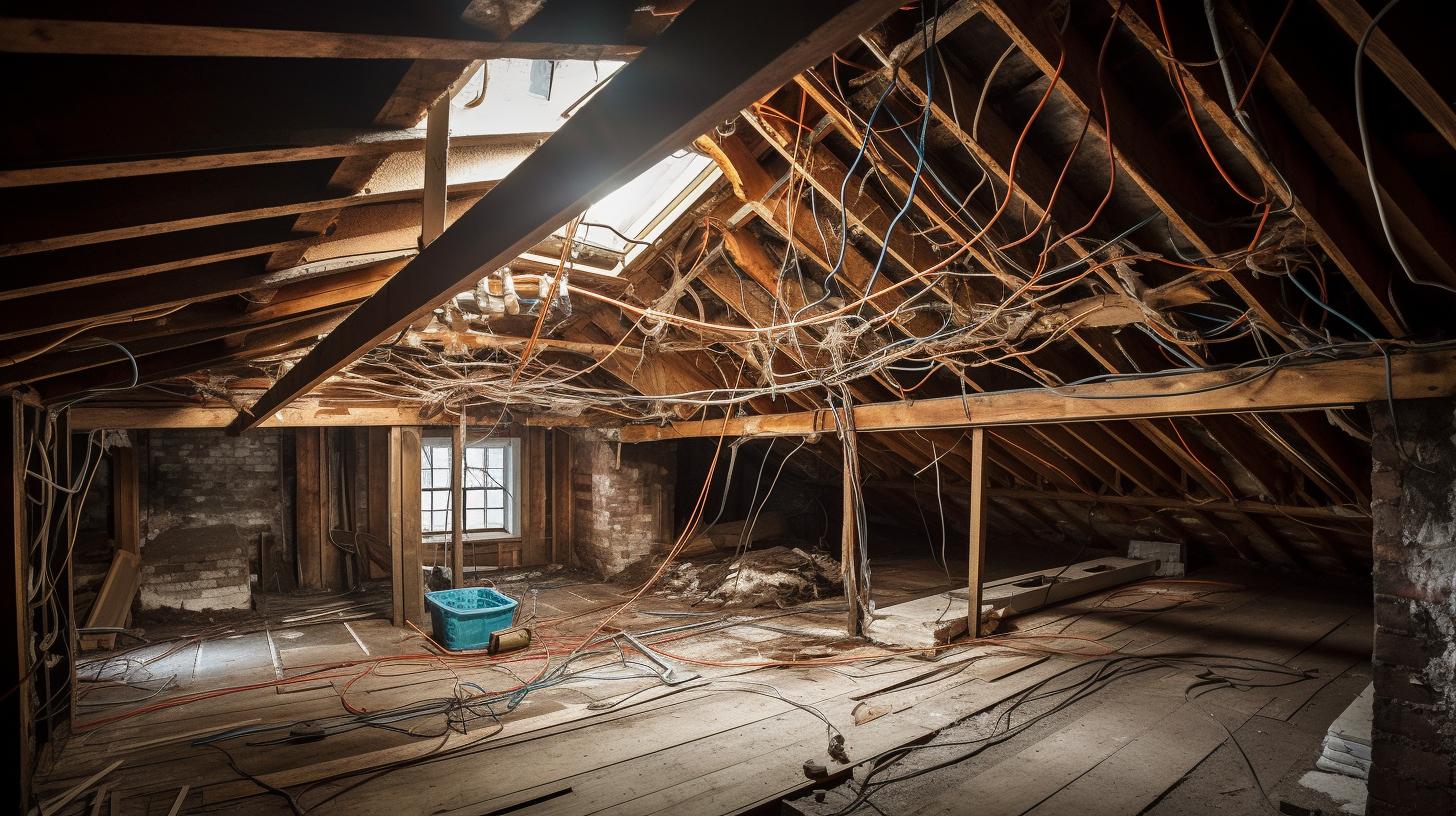
Fresh paint and attractive fittings can make a home feel well maintained, but electrical condition is not always visible. Wiring behind walls, protective devices inside a switchboard and deteriorating connections may need professional assessment.
Electrical safety checks are particularly worth discussing when moving into an older property, preparing for renovation or noticing repeated faults. They can also be useful when a home’s electrical history is unclear.
Warning Signs Worth Taking Seriously
Repeated circuit trips, buzzing from electrical equipment, scorch marks and burning smells should not become accepted household quirks.
Stop using an affected appliance or outlet if there are signs of damage. Keep people away from exposed or suspect electrical components, and do not remove covers or attempt repairs yourself.
A safety assessment should lead to an explanation of findings, not simply a list of unfamiliar technical terms. Ask which issues require prompt attention, which are recommended improvements and whether further testing is needed.
New Wiring and House Rewiring Without the Guesswork
New wiring is often associated with extensions and major renovations, but smaller changes can require it too. A dedicated appliance circuit, a garden office connection or additional lighting may all involve more than adding a visible fitting.
House rewiring is a broader undertaking. Depending on the condition and extent of the existing installation, an electrician may recommend targeted replacement or a more comprehensive project.
Age alone does not establish exactly what work is required. Inspection and testing matter more than assumptions based on the year a house was built.
Plan Around Access and Future Use
If walls or ceilings will already be opened during renovation, discuss electrical work early. Access can influence labour, disruption and the sequence of trades.
Consider likely future needs as well as current ones:
- Where will desks, beds and larger appliances sit?
- Will any rooms change function?
- Are outdoor entertaining areas planned?
- Will additional equipment require dedicated circuits?
- Could switchboard changes be needed to support the work?
Residential switchboard installation or upgrades may form part of a larger project. The appropriate equipment and protective devices should be determined by a licensed electrician after assessing the property.
A Kitchen That Works as Hard as You Do
Kitchen electrical planning is about more than fitting enough outlets along the splashback. Appliance loads, circuit arrangements, accessibility and proximity to water all influence a safe, practical design.
A kitchen electrician can help coordinate these considerations before cabinetry and finishes make changes more difficult.
Oven Installation Needs More Than a Matching Gap
A replacement oven may fit the existing cabinet opening yet still have different electrical requirements from the previous model.
Before purchasing, check the manufacturer’s specifications and ask an electrician whether the existing supply is suitable. Hardwired oven installation must be handled by an appropriately licensed professional, and any required circuit changes should be understood before delivery day.
The same principle applies to other electrical appliance installation work. Induction cooktops, rangehoods and integrated appliances may each introduce different connection and access requirements.
Adding Power Points Where They Earn Their Keep
For local households, adding electrical power points can make a considerable difference to daily convenience. A thoughtfully positioned outlet can eliminate the temptation to run an extension lead across a walkway or tuck an overloaded power board behind an appliance.
Placement should reflect how a space is used, while complying with electrical requirements. In kitchens, that means considering water sources, cooking areas and appliance instructions rather than choosing positions solely for visual symmetry.
For a home office or small business workspace, discuss equipment loads as well as outlet numbers. More sockets do not automatically mean a circuit can safely supply more power.
Lighting That Makes Rooms and Entrances Feel Right
Lighting is one of the few improvements that changes both the function and atmosphere of a property immediately. Yet “brighter” is not always better.
An interior lighting electrician can help balance general illumination with focused light for reading, cooking or desk work. Well-placed task lighting may make a room more useful without flooding every corner with glare.
Outdoor Lighting With a Clear Purpose
An exterior lighting electrician can assess pathways, stairs, entrances and outdoor living areas. The aim is to illuminate what people need to see while limiting glare and unnecessary spill into neighbouring properties.
Security lights deserve equally careful positioning. Motion sensors should respond to useful movement rather than every passing branch, and fittings need to suit their outdoor environment.
Ask a security lights electrician about detection areas, switching options and maintenance access. A light that is difficult to reach or poorly aimed may become more frustrating than reassuring.
Ceiling Fans and Smoke Alarms Deserve Separate Planning
Ceiling fans and smoke alarms both sit overhead, but their placement should never be treated as interchangeable. Each has its own purpose, installation requirements and relationship with the surrounding room.
Ceiling Fan Installation and Repair
A correctly selected ceiling fan can improve comfort in bedrooms, living spaces and suitable covered outdoor areas. Installation planning includes ceiling height, structural support, controls and the product’s suitability for its location.
An existing fan that rattles, slows unexpectedly or operates inconsistently needs assessment. Ceiling fan repair may be appropriate in some cases; in others, replacement may be the more sensible option. Do not assume a wobble is harmless or attempt adjustments near wiring yourself.
Home Smoke Alarm Decisions
A home smoke alarm needs correct selection, placement and maintenance to perform its role. Requirements can depend on the property, applicable regulations and whether building work is being undertaken.
Kitchen smoke alarm planning needs particular care. Cooking fumes can cause nuisance alarms if a device is poorly selected or positioned, but removing or disabling protection is not a solution. Fans and air movement may also affect placement considerations.
A smoke alarm electrician can advise on suitable arrangements, including any required hardwired connections or interconnection. Follow the manufacturer’s testing and replacement instructions, and ask for guidance if the age or condition of existing alarms is uncertain.
When Electrical Repairs Cannot Wait
Some faults can be booked for a convenient appointment. Others call for immediate caution and urgent professional help.
Sparking, smoke, a burning smell or suspected contact between electricity and water should never be approached as routine maintenance. Keep clear of the affected area. If there is fire, immediate danger or a serious injury, contact emergency services.
Finding After Hours Help
When looking for emergency professional local electricians, explain what has happened rather than trying to diagnose it. Mention whether the fault affects one appliance, one circuit or the whole property, and describe any visible damage or unusual smells from a safe distance.
Ask Local Bayside Electrician directly about emergency electrician availability, after hours electrician arrangements and applicable charges. Do not assume round-the-clock attendance or a particular response time without confirmation.
For a small business, a little preparation can help. Keep an accessible record of your electrical contact details and make sure staff know how to report a fault without attempting repairs.
Frequently Asked Questions
Should electrical work be grouped into one visit?
It can be useful to discuss several non-urgent jobs together, particularly when they involve the same area. However, do not postpone a potentially dangerous fault simply to combine appointments.
Does a tripping circuit always mean the switchboard needs replacing?
No. The cause could involve an appliance, wiring, moisture or another fault. Testing is needed before deciding whether repairs or switchboard work are appropriate.
Can I choose light fittings before speaking to an electrician?
You can gather ideas, but confirm compatibility, installation requirements and suitability before buying. This is especially important for outdoor fittings, dimmable lights and unusual ceiling arrangements.
What should I have ready when requesting a quote?
Provide a description of the work, appliance model details where relevant, and photographs if requested. Mention access restrictions and ask what the quote includes, whether testing is covered and what documentation applies.
Make the Next Improvement Count
The best electrical improvements often disappear into daily life. The hallway is easy to navigate. The oven works as intended. The bedroom fan runs quietly. Power points are where you need them, and safety concerns are addressed rather than worked around.
Start with a practical list of faults, frustrations and upcoming plans. Then speak with Local Bayside Electrician about an appropriate assessment and scope of work for your Cheltenham property.
Whether the next step is a small repair or a carefully staged upgrade, thoughtful planning helps turn electrical work into something more valuable than a completed job: a home or workspace that supports everyday life with fewer compromises.