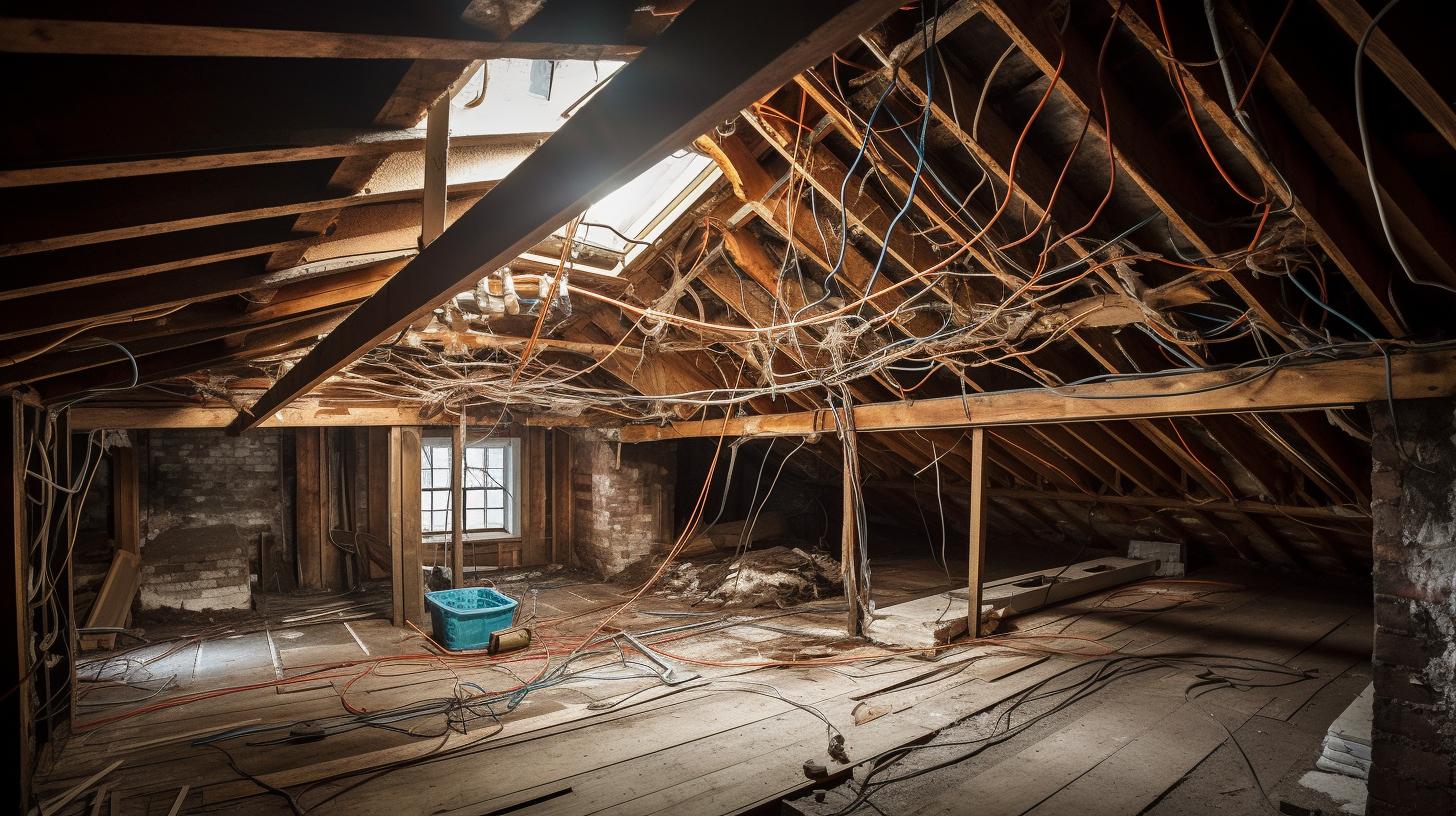
The first sign that a home needs electrical attention is not always dramatic. It might be the hallway light that flickers when the washing machine starts, the kitchen socket that has become inconveniently loose, or the outdoor path that disappears into darkness before everyone gets home.
These small frustrations have a way of blending into daily life. We move a lamp, buy another power board, or promise ourselves we will investigate that unreliable oven next month. Yet thoughtful electrical work can do far more than resolve an annoyance. It can make a home safer, a working day smoother, and familiar rooms considerably easier to enjoy.
For Christchurch homeowners, landlords, and small business owners, knowing when to call an electrician—and what to discuss when they arrive—is a useful part of looking after a property. Local Christchurch Electrician is a local company to consider for reliable electrical services in Christchurch for homes and businesses, ranging from electrical repairs and lighting improvements to house rewiring and residential switchboard installation.
The best starting point is not necessarily a major renovation. Often, it is simply noticing what your property is trying to tell you.
Making electrical services in Christchurch Work for Your Property
No two buildings use electricity in quite the same way. A busy family kitchen has different demands from a quiet home office. An older villa may need careful investigation before improvements begin, while a newer property might mainly need better lighting or additional sockets.
An effective electrician looks beyond the immediate request. Adding a power point, for example, should involve considering the condition and capacity of the circuit serving it, not simply finding an empty section of wall.
Before arranging a visit, take a short walk through your property and note:
- Lights that flicker, fail repeatedly, or provide poor visibility.
- Sockets or switches that feel loose, look damaged, or show discolouration.
- Areas where extension leads have become permanent fixtures.
- Appliances that regularly trip protective devices.
- Outdoor entrances, steps, and pathways that need better illumination.
- Smoke alarms that are missing, unreliable, or approaching their replacement date.
A clear list helps professional local electricians understand both the immediate fault and the wider picture. It can also make it easier to group compatible jobs into one planned visit.
Choosing Someone Who Explains the Work
Good communication matters as much as a tidy installation. Ask electrical contractors what they recommend, why they recommend it, and whether there are different ways to achieve the result.
For prescribed electrical work, check that the person undertaking it holds the appropriate current New Zealand authorisation. Ask what certification or documentation applies to the job and make sure it is supplied where required.
Local Christchurch Electrician can be researched through its website, localchristchurchelectrician.co.nz. Before booking, confirm the scope of work, service area, likely timing, and how charges are calculated.
Safety Checks That Put Everyday Worries in Perspective
An electrical safety check can be particularly useful when you have recently bought a property, inherited an uncertain maintenance history, or noticed recurring faults.
It is also sensible to discuss an inspection before renovating an older Christchurch home. Fresh paint and new cabinetry can conceal wiring that has not received the same attention.
What Is Worth Discussing During an Inspection
Depending on the property and agreed scope, an electrician may assess accessible wiring, sockets, switches, switchboard equipment, earthing arrangements, and protective devices. Testing helps distinguish between a single faulty fitting and a problem requiring broader investigation.
Ask for findings in plain language, with priorities separated into urgent repairs, recommended improvements, and optional upgrades.
Warning signs that deserve prompt attention include:
- A burning smell around electrical fittings.
- Scorching or unusual heat at a socket or switch.
- Buzzing or crackling from electrical equipment.
- Repeated circuit tripping.
- A shock or tingling sensation from an appliance or metal fitting.
Do not keep resetting a circuit that repeatedly trips without having the cause investigated. Protective devices are there to interrupt potentially dangerous conditions, not simply to inconvenience you.
Residential Electrical Upgrades for Modern Routines
Our homes now support much more than a few lamps and a television. Computers, heating systems, kitchen appliances, entertainment equipment, and charging devices all compete for convenient access to power.
Residential electricians can help match an existing installation to the way a household actually lives.
Power Points Where You Need Them
Adding electrical power points can remove a surprising amount of daily clutter. Useful locations might include beside a desk, near a reading chair, inside a properly designed kitchen appliance area, or where cleaning equipment is regularly used.
The goal is not to install sockets everywhere. It is to place suitable outlets where they reduce reliance on trailing leads and overloaded adapters.
For a home office or small business workspace, discuss equipment requirements before the electrical installation begins. A printer, heater, computer, and other devices sharing one inconvenient outlet may warrant a better arrangement.
Switchboards With Room for Change
Residential switchboard installation or upgrading may be appropriate when existing equipment is outdated, damaged, difficult to maintain, or unsuitable for planned additions.
An electrician can assess circuit capacity and protection, including whether residual current device protection is required for the work being undertaken. Such devices provide important additional protection, but they do not replace safe wiring or careful appliance use.
A switchboard upgrade is also an opportunity to improve circuit labelling, making future maintenance and fault identification less confusing.
House Rewiring Without the Guesswork
House rewiring can sound disruptive, but uncertainty often makes it seem more daunting than a clear plan would.
Age alone does not establish the condition of an electrical installation. Previous alterations, materials, damage, and installation quality all matter. An inspection and appropriate testing provide a more reliable basis for decisions than appearances.
Planning Around the Building
Before rewiring begins, ask how the work will affect access, wall linings, ceiling spaces, and daily routines. Find out whether the property can remain occupied and what temporary power interruptions are expected.
Useful questions include:
- Which parts of the existing wiring need replacement?
- Can the work be coordinated with other renovation tasks?
- Where will new switches, sockets, and lighting points be positioned?
- What making-good work is included or excluded?
- What testing and documentation will be provided?
A planned approach can help preserve the character of an older Christchurch home while giving its electrical systems a safer, more practical foundation.
Lighting That Makes Rooms and Gardens Feel Better
Lighting is one of the most noticeable ways to improve a property without changing its footprint.
An interior lighting electrician can help balance general illumination with focused task lighting. Kitchens need useful light over preparation areas. Reading corners benefit from comfortable, directed illumination. Hallways and stairs require clear visibility without unnecessary glare.
Outdoor Light With a Purpose
An exterior lighting electrician can help make entrances, garden paths, and outdoor work areas easier to navigate after dark. Suitable fittings, correct positioning, and appropriate weather protection all matter.
Security lighting deserves similar care. A security lights electrician can advise on sensor placement and coverage so lights respond usefully without constantly activating because of passing traffic or moving vegetation.
Consider your neighbours as well as your own property. Light directed where it is needed usually works better than an excessively bright fitting shining across a boundary.
Kitchens and Appliances Deserve Careful Planning
A kitchen renovation involves more electrical decisions than the position of the pendant lights.
A kitchen electrician can help coordinate power supplies, appliance locations, task lighting, and accessible isolation arrangements. Early planning is especially valuable before cabinetry and splashbacks make changes more complicated.
Oven Installation and Appliance Connections
Oven installation should begin with checking the new appliance’s requirements against the existing electrical supply. A replacement is not automatically a straightforward swap, particularly if the new model has different power demands.
Electrical appliance installation may involve a new circuit, changes to the connection arrangement, or other work identified during assessment. Share appliance specifications with the electrician before installation day rather than relying on dimensions alone.
When an appliance stops working, electrical repairs may involve either the appliance itself or the supply serving it. Clarifying this distinction can help you arrange the right professional.
Ceiling Fans and Smoke Alarms That Do Their Jobs
Some electrical improvements are modest in size but valuable every day.
Ceiling fan installation can improve comfort by moving air through bedrooms, living spaces, and covered areas where suitable equipment is specified. Positioning, secure support, clearances, and compatible controls all need attention.
For existing units, ceiling fan repair may be appropriate when a fan becomes noisy, unstable, or unresponsive. Stop using a fan that appears loose or damaged until it has been checked.
A More Reliable Smoke Alarm Plan
A home smoke alarm should be treated as essential safety equipment rather than background decoration.
A smoke alarm electrician can advise on suitable alarm types, positioning, power arrangements, and any requirements relevant to your property. Rental homes have specific obligations, so landlords should confirm current rules rather than assume an existing setup is sufficient.
Test alarms according to the manufacturer’s instructions and replace units when they reach the end of their stated service life.
When Electrical Problems Cannot Wait
Electrical trouble rarely respects office hours. A late-night burning smell, damaged fitting, or sudden loss of power can create an immediate need for advice.
When searching for a 24 7 electrician or a 24 hr emergency electrician, confirm actual availability, likely response time, and call-out charges directly. An advertised emergency electrician service does not necessarily mean someone can arrive immediately.
Knowing What to Do First
If there is fire, smoke, or immediate danger, move to safety and call 111. Never touch fallen power lines or anything in contact with them.
For a wider power outage, check your electricity network provider’s outage information if it is safe to do so. A network fault may not require a private electrician.
If the problem appears confined to your property, an after hours electrician can advise on the next step. Avoid touching damaged equipment or attempting DIY repairs.
Even if a hurried phone search begins with “emer”, take a moment to verify the business you contact. Explain the symptoms clearly and ask whether you should keep away from a particular area while waiting.
Frequently Asked Questions
Should I Combine Several Small Electrical Jobs?
Often, yes. Providing a list in advance allows the electrician to plan time and materials. Urgent safety concerns should not be postponed just to build a longer list.
Does Every Older House Need Rewiring?
No. Condition, materials, testing results, and previous work determine what is needed. A professional assessment is more useful than judging the wiring solely by the building’s age.
Can I Supply My Own Light Fittings?
Ask before purchasing. The electrician can check suitability, compatibility, installation requirements, and whether the fitting is appropriate for its intended environment.
What Should I Ask Before Booking Emergency Work?
Confirm availability, call-out fees, hourly charges, and any minimum charge. Describe the fault accurately, but do not investigate exposed or damaged electrical components yourself.
Make Your Next Electrical Improvement Count
A well-maintained electrical system supports the things that make a property work: a dependable kitchen, a productive workspace, a welcoming entrance, and the confidence that warning signs have not been ignored.
Whether you need one repair or a coordinated programme of upgrades, begin with a clear list of concerns and priorities. Discuss them with Local Christchurch Electrician, confirm the proposed scope and costs, and ask for explanations wherever the recommendations are unclear.
The most useful improvement is not always the most visible one. Sometimes it is simply knowing that the systems behind your walls are better suited to the life happening in front of them.